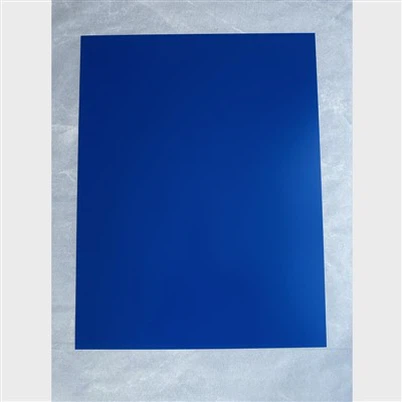
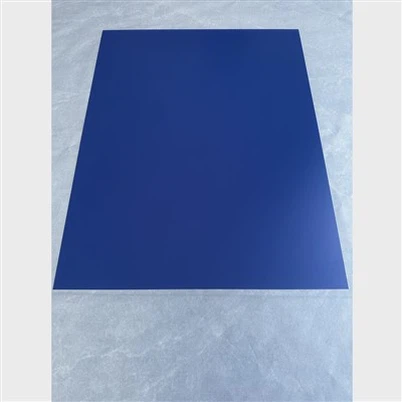
Positive Plate
A positive plate is a type of printing plate used in the offset printing process. It is made of aluminum or other metal and has a light-sensitive coating on its surface. When exposed to light, the coating undergoes a chemical reaction that creates a latent image on the plate. The latent image is then developed using a chemical solution, which removes the unexposed areas of the coating, revealing the raised image on the plate. The positive plate is then ready to be inked and printed onto paper or other substrates. Positive plates are preferred for high-quality printing applications, as they offer excellent resolution and detail. They are also more durable and longer lasting than negative plates, which are prone to wear and damage over time.
Description
A positive plate is a type of printing plate used in the offset printing process. It is made of aluminum or other metal and has a light-sensitive coating on its surface. When exposed to light, the coating undergoes a chemical reaction that creates a latent image on the plate. The latent image is then developed using a chemical solution, which removes the unexposed areas of the coating, revealing the raised image on the plate. The positive plate is then ready to be inked and printed onto paper or other substrates. Positive plates are preferred for high-quality printing applications, as they offer excellent resolution and detail. They are also more durable and longer lasting than negative plates, which are prone to wear and damage over time.
Advantages of Positive Plate
High Resolution And Fine Details
Genuine can produce very fine and sharp images, allowing for high-resolution printing. This is especially important for applications that require complex graphics, small text, or precise reproduction of details.
Good Ink Transfer
The raised image on the positive plate ensures effective ink transfer during the printing process. The ink sits in the raised areas of the plate, resulting in a more even and consistent print.
Long Printing
Genuine plates are known for their durability and can withstand longer printing periods without significant wear or degradation. This makes them suitable for high-volume print jobs.
Easy To Handle And Process
Compared with some other plate types, positive plates are relatively easy to handle and process. They require no special handling or storage conditions and can be processed using standard equipment and chemicals.
Fast Imaging
The imaging process of genuine prints is usually faster, which helps increase the productivity of the printing workflow. This is because the photosensitive coating on the positive plate reacts quickly to the exposure source, reducing processing time.
Versatility
Genuine can be used in a wide range of printing applications, including commercial printing, packaging and publications. They can effectively handle different types of inks and substrates.
Cost-effective
Despite the initial investment, positive plates save costs in the long run. Their durability and ability to produce high-quality prints may result in fewer scraps and reprints, ultimately lowering overall production costs.
Compatibility With Digital Workflows
Genuine can be easily integrated into digital printing workflows, allowing for a seamless transition between digital and offset printing processes.
Good Registration
The accuracy of the positive plate helps to maintain good registration during the printing process, which is very important for multi-color printing to ensure precise alignment of different colors.
Easy To Clean
The surface of the positive plate is easy to clean to remove any debris or contaminants that may affect the printing quality. This helps maintain printing consistency and reduces the need for frequent plate changes.




Why Choose Us
High Quality
Our products are manufactured or executed to very high standards, using the finest materials and manufacturing processes.
Competitive Price
We offering a higher-quality product or service at an equivalent price. As a result we have a growing and loyal customer base.
Rich Experience
Our company has many years of production work experience. The concept of customer-oriented and win-win cooperation makes the company more mature and stronger.
Global Shipping
Our products support global shipping and the logistics system is complete, so our customers are all over the world.
After-sale Service
Professional and thoughtful after -sales team, let you worry about us after -sales Intimate service, strong after -sales team support.
Advanced Equipment
A machine, tool or instrument designed with advanced technology and functionality to perform highly specific tasks with greater precision, efficiency and reliability.
Materials of Metric Roller Chain Sprocket
Conventional Positive Plate
These are the most basic type of positive plates, made of aluminum or other metals. They have a photosensitive coating on their surface that reacts when exposed to light, producing a latent image. The latent image is then developed using a chemical solution, removing the unexposed areas of the coating to reveal the raised image on the plate. Traditional genuine plates have good durability and print quality, but may require longer exposure and development times.
Disposal-free Positive Plate
Process-free genuine plates eliminate the need for a separate development process, reducing overall print production time. These plates have a coating that reacts chemically to form a latent image when exposed to light. A simple cleaning solution is then used to remove the exposed areas of the coating, revealing the raised image on the board. Disposal-free positive plates offer faster turnaround times and are more environmentally friendly because they do not require the use of chemicals for development.
Violet Laser Positive Plate
These plates are specifically designed for exposure using violet laser technology. Purple laser wavelengths provide higher resolution and finer detail for improved print quality. Purple Laser Genuine is suitable for high-quality printing applications that require crisp images and accurately reproduced details.
Thermal Printing
Thermal printing uses heat instead of light to create a latent image. They have a thermal coating that reacts to heat generated by a thermal head or laser. The heat causes the coating to melt or bubble, creating a raised image on the plate. Thermal plate provides faster imaging speeds and is ideal for high-volume printing applications.
Ctp Positive Plates
CtP (Computer to Plate) positive plates are designed for use with CtP systems. These plates have a photosensitive coating and can be imaged directly from the digital file without the need for film or other intermediate steps. CtP Genuine offers high accuracy, faster turnaround times and reduced waste, making it ideal for modern printing workflows.
Silver Halide Positive Plate
The silver halide positive plate is a traditional positive plate that uses silver halide as a photosensitive coating. They offer high resolution and fine detail, but may require longer exposure and development times. Genuine silver halide prints are commonly used in applications that require high quality prints, such as photographic and fine art reproductions.
Polyester Positive Plate
Polyester positive plate is made of polyester film with photosensitive coating. They are more flexible and durable than aluminum panels, making them suitable for applications that require bending or flexing the panels. Genuine polyester has good printing quality and is often used for flexible packaging and label printing.
Digital Original
A digital original is a CtP plate that uses digital imaging technology to create a latent image. They have a photosensitive coating and can be imaged directly from a digital file using a laser or LED light source. Digital positive plates offer high resolution, fast imaging speeds, and compatibility with digital workflows.
Waterless Positive Plate
Waterless positive plate does not require the use of water during the printing process, reducing ink consumption and waste. These plates feature a special coating that enables ink-free printing, resulting in a more sustainable and cost-effective printing solution.
UV-cured Genuine Plates
UV-cured genuine plates use ultraviolet light to cure the ink on the plate, thereby speeding up drying time and improving print quality. These plates are suitable for applications requiring high speed printing and fast drying of ink, such as commercial printing and packaging.
Application of Positive Plate


Printing
Genuine copies are widely used in the printing industry, especially in the offset printing industry. They are used to transfer images and text to different substrates, including paper, cardboard, and plastic. The high resolution and fine details provided by the original ensure clear and sharp prints.
Commercial Printing
Positive plates are ideal for commercial printing applications such as brochures, catalogs, posters and packaging. They are capable of accurately replicating complex designs, logos and small text.
Packaging And Label Printing
The durability and versatility of positive plates make them suitable for packaging and label printing. They can handle different inks and substrates, ensuring consistent high-quality printing on packaging materials.
Graphic Design And Artwork
Positive plates play a vital role in graphic design and artwork reproduction. Artists and designers can achieve accurate color reproduction and detail in their creations by using genuine prints.
Publication Printing
Books, magazines, newspapers, and other publications often rely on positive images for high-volume printing. Genuine's ability to print with consistent quality over extended periods of time makes it suitable for these applications.
Advertising And Marketing
Positive plates are used in advertising and marketing materials such as flyers, banners and point-of-purchase displays. The fine detail and color accuracy they provide help create visually appealing and effective promotional materials.
Photo Printing
Silver halide positives are commonly used in traditional photographic printing to produce high-quality prints. This application is particularly relevant in the fields of photography, fine art, and portraiture.
Flexographic Printing
In flexographic printing, positive plates are used for printing on flexible substrates such as plastic films, bags, and labels. The flexibility of the positive plate allows printing on a variety of shapes and surfaces.
Anti-counterfeiting Printing
Genuine is used in security printing applications such as banknotes, passports and official documents. The raised image on the plate adds an extra layer of security and authenticity.
Industrial Printing
Positive plates can be used for industrial printing, including printing on electronic equipment, automotive parts and medical equipment. They can withstand harsh environments and provide durable prints.
Components of Positive Plate
Base Material
The substrate forms the base of the positive plate. It can be made of aluminum, plastic, or other suitable substance that provides stability and support.
Photosensitive Coating
Apply a photosensitive coating to the substrate. This coating reacts to light and undergoes chemical changes when exposed to light, forming a latent image.
Picture Area
The image area is the portion of the photosensitive coating that will be exposed to light. It determines the area where printing occurs.
Non-image Area
The non-image area is the remaining portion of the photosensitive coating that has not received exposure. It acts as a background or white space in the final print.
Latent Image
After exposure, a latent image is formed in the photosensitive coating of the image area. This latent image is invisible to the naked eye but contains the information intended to be printed.
Development Process
The latent image is developed using a chemical solution or other development method. This process removes unexposed areas of the coating, exposing the raised image on the plate.
Image Resolution And Detail
The quality of a positive plate depends on factors such as its reproducible resolution and detail. Higher resolution and finer detail enable sharper, more sophisticated prints.
Durability
The components of the positive plate are engineered to withstand the printing process, including exposure, development and printing. Durability ensures that the plate can produce a consistent number of prints without deterioration.
Ink Absorbency
The surface of the positive plate is engineered to accept ink evenly, resulting in efficient ink transfer and even print coverage.
Plate Thickness
The thickness of the positive plate can vary depending on the application and printer requirements. Thicker boards offer greater durability, while thinner boards offer flexibility.
Material of Positive Plate
Aluminum
Aluminum is a popular choice for positive plates due to its durability, stability and good ink adhesion. Commonly used in offset and flexo printing.
Plastic
Plastics such as polyester or polycarbonate are sometimes used for positive plates. They offer flexibility and are suitable for applications where durability is not as important.
Photopolymer
Photopolymer is a light-sensitive material that can be used to make positive plates. It is commonly used in flexographic and digital printing processes.
Silver halide
Silver halide is a traditional material used in photographic printing. It provides high resolution and fine detail, but is more commonly used in simulation processes.
Resin
Some platemaking techniques use resin-based materials that are durable and chemical-resistant.
Composite materials
Some positive plates can combine different materials to achieve specific properties. For example, composites of aluminum and polymers can be used to combine the advantages of both.
How to Maintain Positive Plate
Handle With Care: When handling the positive plate, avoid scratching or damaging the surface. Use clean and soft gloves or tools to prevent any marks or abrasions.
Cleaning: Regular cleaning of the positive plate is important. Use appropriate cleaning solutions recommended by the manufacturer to remove any dirt, ink, or debris that may accumulate on the surface.
Store Properly: Store the positive plate in a clean, dry, and dust-free environment. Protect it from direct sunlight and excessive moisture to prevent any degradation or damage.
Avoid Exposure To Chemicals: Keep the positive plate away from harsh chemicals or substances that could react with the plate material and cause damage.
Inspection Before Use: Before each use, inspect the positive plate for any signs of damage, such as cracks, scratches, or chipping. If any damage is noticed, replace the plate to ensure optimal printing quality.
Follow Manufacturer's Guidelines:Adhere to the manufacturer's instructions and recommendations for maintenance, including cleaning procedures, storage conditions, and handling techniques.
Calibration And Alignment:If the positive plate is used in a printing process, ensure it is properly calibrated and aligned with the printing equipment to achieve accurate and consistent results.
Protect From Physical Stress:Avoid subjecting the positive plate to excessive physical stress or impact, as it can lead to deformations or cracks.
Regular Maintenance:Schedule periodic maintenance checks to ensure the plate is in good condition. This may include cleaning, inspections, and any necessary repairs or replacements.
Train Personnel: Ensure that the personnel handling and using the positive plate are trained on the proper maintenance procedures to minimize the risk of damage.

What Is the Working Principle of an Positive Plate
The working principle of a positive plate depends on the specific application and type of plate. Generally, a positive plate is used in printing processes where it plays a crucial role in transferring the image or design to the printing substrate.In Offset printing, for example, the positive plate is typically made of aluminum and has a light-sensitive coating. The image to be printed is exposed onto the plate using a light source. The exposed areas of the coating harden, while the unexposed areas are washed away during the developing process. This creates a raised image on the plate that accepts ink. When the inked plate comes into contact with the printing substrate, the ink is transferred, resulting in the printed image.In other printing technologies, such as flexographic or digital printing, the working principle of the positive plate may differ. Flexographic plates often use a photopolymer or rubber material, and the image is created through a similar exposure and developing process. Digital printing plates may utilize technologies like laser imaging or electrostatic charging.
How To Choose The Positive Plate Correctly
Printing Technology
Determine the printing technology you will be using, such as offset, flexographic, or digital printing. Different printing methods may require specific types of positive plates.
Compatibility With Inks And Substrates
Consider the compatibility of the positive plate with the inks and substrates you will be using. Some plates may work better with certain ink formulations or specific types of substrates.
Resolution And Detail
Evaluate the resolution and detail capabilities of the positive plate. Higher resolution plates will result in sharper and more intricate printed images.
Durability And Lifespan
Consider the durability and expected lifespan of the positive plate. Long-lasting plates are crucial for high-volume printing jobs.
Cost And Budget
Consider the cost of the positive plate within your budget. While it's important to find a balance between quality and cost, investing in a high-quality plate may lead to better print outcomes and longer plate life.

Print Quality Requirements
Assess the print quality expectations for your project. If high-quality prints are crucial, choose a plate that meets those standards.
Testing And Samples
Request samples or test prints from different plate options to evaluate the actual print results and make an informed decision.
Consult With Experts
Seek advice from printing professionals, suppliers, or industry experts. They can provide valuable insights and recommendations based on their experience.
Specific Application Needs
Consider any unique requirements of your print job, such as special coatings, finishes, or compatibility with post-printing processes.
Manufacturer Reputation And Expertise
Research and choose a reputable manufacturer with a proven track record in producing quality positive plates.
Precautions for Using an Positive Plate
Handling with care
Handle the positive plate with clean and dry hands or wear gloves to avoid fingerprints, oil, or dirt on the surface. Avoid touching the plate's sensitive areas directly.
Store properly
Store the positive plate in a clean, dry, and dust-free environment. Protect it from direct sunlight and excessive moisture to prevent any degradation or damage.
Avoid physical damage
Avoid subjecting the positive plate to excessive physical stress or impact, as it can cause deformations or cracks.
Use recommended chemicals
Use only the chemicals and solutions recommended by the manufacturer for cleaning and processing the positive plate. Using incorrect chemicals can damage the plate.
Follow processing instructions
Follow the manufacturer's instructions for processing the positive plate, including exposure, developing, and cleaning. Adhere to the recommended timings and temperatures to ensure optimal results.
Inspection before use
Before each use, inspect the positive plate for any signs of damage, such as cracks, scratches, or chipping. If any damage is noticed, replace the plate to avoid print quality issues.
Calibrate and align
If the positive plate is used in a printing process, ensure it is properly calibrated and aligned with the printing equipment to achieve accurate and consistent results.
Protect from static electricity
Positive plates can be sensitive to static electricity. Use anti-static measures or equipment to prevent static discharge and potential damage to the plate.
Cleaning and maintenance
Regular cleaning of the positive plate is important. Use appropriate cleaning solutions recommended by the manufacturer to remove any dirt, ink, or debris that may accumulate on the surface.
Training and expertise
Ensure that the personnel handling and using the positive plate are trained on the proper procedures and techniques to minimize the risk of damage.
Prepare The Equipment
Make sure the printing press or other equipment is properly cleaned and ready for the installation of the positive plate.
Remove The Old Plate, If Applicable
If there is an existing plate that needs to be replaced, follow the appropriate steps to remove it safely.
Handle The Plate With Care
When handling the positive plate, use clean and dry hands or wear gloves to avoid leaving fingerprints or marks on the surface.
Align The Plate
Carefully align the positive plate in the correct position within the equipment. Refer to the equipment manual or manufacturer's instructions for the precise alignment requirements.
Secure The Plate
Use the designated mounting mechanisms or clamps provided by the equipment to secure the positive plate firmly in place. Ensure it is snug and does not move during the printing process.
Check For Proper Installation
Once the plate is installed, double-check that it is properly seated and aligned. Make any necessary adjustments to ensure accurate printing.
Connect Any Necessary Cables Or Interfaces
If the positive plate requires electrical or data connections, attach the cables or interfaces as specified by the equipment manufacturer.
Test The Installation
Before starting the actual printing process, perform a test print or run a quick check to ensure the plate is functioning correctly and producing the expected results.
What Are the Trends and Development Directions of Positive Plate in the Market
Higher Resolution And Quality
There is a continuous demand for higher resolution and improved print quality. Manufacturers are constantly working on developing positive plates that can produce sharper, more detailed images.
Compatibility With Digital Printing Technologies
The growth of digital printing is driving the development of positive plates that are compatible with digital printing processes. This allows for more flexibility and shorter turnaround times.
Environmentally Friendly Solutions
With increasing environmental consciousness, there is a growing trend towards the development of eco-friendly positive plates. This may include the use of sustainable materials or the implementation of recycling programs.
Cost Efficiency And Durability
Manufacturers are focused on creating positive plates that offer cost-effective solutions while maintaining durability and a long lifespan.
Customization And Specialization
The market is seeing an increase in the demand for customized positive plates to meet specific printing applications or industry requirements.
Integration Of Smart Technologies
The integration of smart technologies, such as sensors and monitoring systems, in positive plates can provide real-time data and feedback for better control and optimization of the printing process.
Development Of New Materials
Ongoing research and development efforts are aimed at discovering and utilizing new materials that offer enhanced properties and performance.
Automated Plate-making Processes
To improve efficiency and reduce human error, there is a trend towards automated plate-making processes, which can ensure consistent quality and faster production times.
Our Factory
Jingfan Tech is one high-tech enterprise dedicating the production and development of printing plate sensitive adhesive. Be established in "scientific,rigorous,professional",Jingfan Tech have been providing high-tech thermal&uv plates coating for most of the Chinese printing plate manufacturers more than 20 years.

certificate


FAQ
Hot Tags: positive plate, China positive plate manufacturers, suppliers, factory, Positive Thermal CTP Plate, UV CTP, CTP Plates for Offset Printing, Negative Plate, Positive UV CTP Plate, Thermal CTP
Send Inquiry
You Might Also Like