CTP Thermal
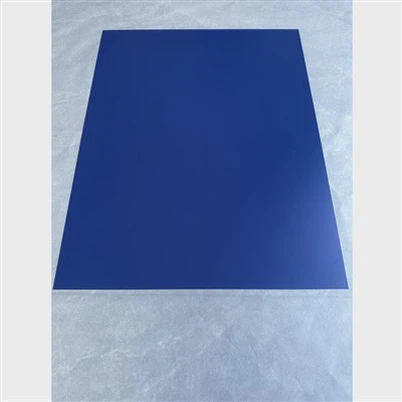
CTP Thermal is a type of plate that uses a heat-sensitive coating to apply heat energy to the surface of the plate through the laser head of the CTP machine to form an image. The part of the coating that is not irradiated by the laser is melted by the heat energy and removed to form a printed image.
Description
What Is CTP Thermal?
CTP Thermal is a type of plate that uses a heat-sensitive coating to apply heat energy to the surface of the plate through the laser head of the CTP machine to form an image. The part of the coating that is not irradiated by the laser is melted by the heat energy and removed to form a printed image.
Improved Image Quality
CTP thermal technology eliminates the need for intermediate steps like film or plates, resulting in improved image quality. The digital workflow enables precise control over the printing process, ensuring accurate reproduction of colors, finer details, and sharper images. The elimination of film also eliminates the risk of dust particles or scratches affecting the final print, leading to cleaner and more professional-looking prints.
Cost-effective
CTP thermal offers significant cost savings compared to traditional methods. With CTP thermal, there is no need for film, which can be expensive and time-consuming to produce. Additionally, the digital workflow reduces setup time and material waste, resulting in lower production costs. The ability to make quick changes or corrections without additional costs also contributes to overall cost savings.
Faster Turnaround Time
CTP thermal technology enables faster production times compared to traditional methods. The digital workflow eliminates the need for film development and manual plate registration, reducing the setup time significantly. This allows print shops to handle more projects within a shorter timeframe, resulting in faster turnaround times for clients. The ability to make last-minute changes without disrupting the production process further improves the overall efficiency and speed of CTP thermal.
Environmentally Friendly
CTP thermal is an environmentally friendly printing method. The elimination of film and chemicals used in the traditional platemaking process reduces waste and eliminates the need for hazardous materials. The digital workflow also reduces energy consumption and carbon emissions associated with film processing. Additionally, the ability to make corrections digitally reduces paper waste, making CTP thermal a more sustainable printing option.
Greater Color Consistency
CTP thermal technology ensures greater color consistency throughout the printing process. The digital workflow allows for precise color calibration, ensuring that the final prints match the intended colors accurately. This is particularly important for businesses that require consistent branding or rely on color accuracy, such as marketing agencies or packaging companies. The ability to achieve consistent colors across various print runs improves brand recognition and customer satisfaction.
Increased Productivity
CTP thermal technology significantly increases productivity in print shops. The digital workflow allows for faster job setup, making it easier to handle multiple projects simultaneously. The ability to make quick corrections or changes without the need for physical rework or setup adjustments further improves productivity. This allows print shops to take on more projects, meet tight deadlines, and increase overall output.
Enhanced Flexibility
CTP thermal offers enhanced flexibility compared to traditional printing methods. The digital workflow allows for quick and easy changes, making it ideal for businesses with frequently changing requirements or last-minute updates. The ability to store digital files also enables easy reprinting or reprinting on demand, eliminating the need for additional setup and reducing lead times.





Why Choose Us
High Quality
Our products are manufactured or executed to very high standards, using the finest materials and manufacturing processes.
Competitive Price
We offering a higher-quality product or service at an equivalent price. As a result we have a growing and loyal customer base.
Rich Experience
Our company has many years of production work experience. The concept of customer-oriented and win-win cooperation makes the company more mature and stronger.
Global Shipping
Our products support global shipping and the logistics system is complete, so our customers are all over the world.
After-sale Service
Professional and thoughtful after -sales team, let you worry about us after -sales Intimate service, strong after -sales team support.
Advanced Equipment
A machine, tool or instrument designed with advanced technology and functionality to perform highly specific tasks with greater precision, efficiency and reliability.
Types of CTP Thermal
Positive Hot Plate
These plates are heat sensitive and require a thermal CTP device to burn the image onto the plate. Non-image areas remain absorbent while image areas become water-resistant. Positive-working thermal plates are commonly used in commercial offset printing.
Negative Heating Plate
These plates work in the opposite way to positive heating plates. Non-image areas become waterproof while image areas remain absorbent. Negative thermal plates are mainly used for newspaper printing.
Infrared Sensitive Board
These plates use infrared light to expose the image onto the plate. They are known for their high sensitivity and fast exposure times. Infrared sensitive plates are suitable for high speed printing applications.
Purple Light Sensitive Plate
These plates use a purple laser diode to expose the image onto the plate. They offer high resolution and excellent image reproduction. Purple light sensitive plates are commonly used in the graphic arts industry.
Double Layer Thermal Conductive Plate
These plates consist of two layers - the imaging layer and the protective layer. The imaging layer is heat-sensitive and used for imaging, while the protective layer provides durability and scratch resistance. Double-layer thermal printing plates are known for their long run runs and high-quality printing results.
Single Layer Thermal Conductive Plate
These plates have a single imaging layer that is thermally sensitive. They are known for their simplicity and cost-effectiveness. Single-layer thermal printing plates are typically used for small-scale printing applications.
Commercial Printing
CTP thermal is widely used in commercial printing, including magazines, catalogs, brochures and advertising materials. The high resolution and high-quality output of CTP thermal technology ensures prints are clear and vibrant, making it suitable for producing high-quality graphics and images.
Packaging And Printing
In the packaging industry, CTP thermal is used for printing on a variety of substrates including cardboard, plastic and metal. It can produce packaging designs with precise colors, logos and text.
Book Printing
Publishers often utilize CTP thermal technology for book printing, especially for small runs and on-demand printing. The technology can efficiently produce small volumes of books, reducing costs and shortening turnaround times.
Newspaper And Magazine Printing
The fast turnaround time of CTP thermal makes it ideal for newspaper and magazine printing. It enables fast and efficient plate production, allowing timely distribution of news and publications.
Digital Printing
CTP Thermal integrates perfectly with digital presses to provide a seamless workflow for digital print jobs. It provides the flexibility to handle variable data printing and personalized documents.
Label And Tag Printing
CTP thermal is used in the production of labels and tags to ensure accurate registration and consistent quality. This is critical for applications such as product labels, barcode labels, and clothing and merchandise labels.
Proofing
CTP thermal can be used for proofing before entering mass production. Digital proofs can be generated to preview the final print result, reducing the need for physical proofs and saving time and cost.
Graphic Design And Pre-press
Graphic designers and prepress teams rely on CTP Thermal to create high-quality prints that accurately represent their designs. It helps achieve precise color reproduction and fine details.
Photographic Printing
For photo printing, CTP thermal printing provides excellent color accuracy and detail. This makes it suitable for producing high-quality photo prints, including fine art prints and albums.
Signage and Display
CTP thermal is used for printing on signs, banners and displays. It can print in large format with crisp graphics and colors, making it suitable for indoor and outdoor signage.
In-house Printing
Many businesses with in-house printing capabilities benefit from CTP thermal technology. It provides a cost-effective solution for producing marketing materials, business cards and other printed materials.
Flexographic Printing
CTP thermal plates are also used in flexographic printing, which is commonly used in the packaging industry to print on flexible substrates such as plastic films and corrugated materials.
Components of CTP Thermal

Thermal Imaging Head
This is the component that generates heat. It uses infrared or laser technology to transfer image data to CTP plates.
CTP Plate
The board is made of special material that is sensitive to heat. When exposed to a thermal imaging head, it undergoes chemical or physical changes that form an image.
Image Processor
The image processor is responsible for receiving digital files and performing various tasks such as color management, rasterization, and imposition. It prepares image data for the thermography process.
Scanner Or Input Device
In some cases, a scanner or input device can be used to digitize existing hard copy originals or capture CTP images.
Control Software
The control software manages the entire CTP system. It handles job submission, workflow management, and system setup.
Plate Conveying Mechanism
This component is responsible for moving the CTP plate during the imaging process. It ensures precise positioning and registration of the sheets.
Cleaning Device
To maintain the quality of CTP plates, cleaning devices can be incorporated to remove any dust, debris or residual particles.
Cooling System
After the thermal imaging process, a cooling system is typically employed to bring the CTP plate to the appropriate temperature for further processing or handling.
Calibration And Calibration Tools
Calibration is critical to ensure accurate and consistent imaging. Calibration tools and procedures help maintain optimal performance of your CTP system.
Power Supply
CTP thermal components require a stable power supply to operate.

Material of CTP Thermal
Plate Substrate
The plate substrate serves as the base onto which the image is transferred. Common substrates used in CTP Thermal include aluminum, polyester, or composite materials. The choice of substrate depends on factors such as durability, sensitivity to heat, and printability.
Sensitive Coating
A thin layer of sensitive coating is applied to the plate substrate. This coating is designed to respond to the heat generated by the thermal imaging head. The sensitive coating typically contains chemicals that undergo a chemical reaction or physical change when exposed to heat, resulting in the formation of the image.
Thermoplastic Or Thermoset Polymers
These polymers are often used in the sensitive coating to achieve the desired properties. Thermoplastic polymers can melt or flow when heated, allowing for easy image formation. Thermoset polymers, on the other hand, undergo a permanent chemical change upon heating, providing durability and resistance to further processing.
Light-sensitive Dyes Or Pigments
Some CTP Thermal materials may incorporate light-sensitive dyes or pigments. These additives enhance the sensitivity of the plate to the thermal imaging process and can affect the color reproduction and resolution of the final print.
Additives For Durability And Processing
Additional additives may be included in the CTP Thermal material to improve durability, resistance to chemicals, and ease of processing. These additives can help the plate withstand the rigors of the printing environment and handling.
How to Maintain CTP Thermal
Regular Cleaning: Use a soft, lint-free cloth to gently wipe the surface of the thermal head to remove dust, ink stains, and other contaminants. Avoid using harsh chemicals or abrasive substances that may damage the thermal head.
Inspection And Replacement Of Spare Parts: Regularly inspect the condition of the thermal head and replace worn or damaged spare parts in a timely manner. This ensures the normal operation and print quality of the thermal head.
Pay Attention To The Working Environment: The CTP thermal head should be placed in a clean, dust-free, and well-ventilated environment. Avoid exposure to moisture, high temperatures, and corrosive substances.
Avoid Excessive Force: When handling the thermal head, be gentle and avoid applying excessive force, which may cause damage to the internal components of the thermal head.
Regular Maintenance: According to the usage frequency and working conditions of the CTP thermal head, develop a regular maintenance plan. This includes cleaning, inspections, and replacements as needed.
Use High-quality Supplies: Use CTP thermal head-compatible inks and printing media to ensure the best printing results and extend the life of the thermal head.
Troubleshooting: If the CTP thermal head encounters problems such as printing quality degradation or failure, you can analyze and troubleshoot based on common problems and solutions to solve the problem as quickly as possible.
Training And Education: Provide users with training and education on the correct use and maintenance methods of CTP thermal heads to help them better understand and handle related issues.
How to Choose the CTP Thermal Correctly
Compatibility
Ensure that the CTP Thermal is compatible with your printing press, ink, and other equipment. Check the manufacturer's specifications and recommendations to ensure a seamless integration.
Resolution And Quality
Look for a CTP Thermal that offers high resolution and excellent print quality. Consider the resolution capabilities of the system and its ability to produce sharp, detailed images.
Sensitivity And Speed
The sensitivity of the CTP Thermal determines how well it responds to the thermal imaging process. A more sensitive system can result in faster imaging times and increased productivity. Consider your production volume and turnaround time requirements when evaluating sensitivity and speed.
Durability And Lifespan
CTP plates are a significant investment, so choose a thermal system that is durable and has a long lifespan. Look for plates that can withstand multiple exposures and have a reputation for reliability.
Cost And Efficiency
Consider the overall cost of the CTP Thermal, including the initial investment, running costs, and maintenance expenses. Additionally, evaluate the system's efficiency in terms of imaging speed, waste reduction, and overall productivity.
Manufacturer Reputation And Support
Research the reputation of the manufacturer and their track record in the industry. A reputable manufacturer is more likely to provide quality products and reliable support in case of any issues or technical difficulties.
User-friendly Interface And Software
The CTP Thermal's interface and accompanying software should be intuitive and easy to use. A user-friendly system can minimize training time and maximize productivity.
Customization Options
Some CTP Thermal systems offer customization features, such as the ability to tailor the imaging process to specific job requirements. Consider if these options are important for your workflow.
Field-test And References
If possible, request demos or test the CTP Thermal in your actual printing environment. Also, seek references from other users to gain insights into the performance and reliability of the system.
Future-proofing
Consider the system's scalability and potential for future upgrades or additions. Choose a CTP Thermal that can adapt to evolving technology and your potential future growth.
Precautions for Using an CTP Thermal

Handle With Care
The CTP Thermal is a sensitive device, so handle it with gentle and avoid subjecting it to excessive force or shock. Handle the plates carefully to prevent damage.
Keep It Clean
Regularly clean the surface of the CTP Thermal to remove dust, debris, and any contaminants. Use appropriate cleaning materials and methods recommended by the manufacturer.
Follow The Manufacturer's Instructions
Thoroughly read and understand the manufacturer's instructions and guidelines for using the CTP Thermal. Adhere to their recommended procedures for setup, operation, and maintenance.
Store Properly
Store the CTP Thermal in a clean, dry, and dust-free environment. Protect it from moisture, direct sunlight, and extreme temperatures.
Use Compatible Supplies
Use only supplies, such as inks and plates, that are specifically compatible with your CTP Thermal. Using incompatible supplies may lead to printing issues or damage the device.
Monitor The Imaging Process
Pay close attention to the imaging process and ensure it is performed correctly. Check for any signs of imaging errors or defects and address them promptly.


Calibrate Regularly
Periodically calibrate the CTP Thermal to ensure accurate imaging and color reproduction. Follow the manufacturer's calibration procedures.
Handle Plates Carefully
When loading and unloading the plates, be cautious to avoid scratching or bending them. Handle the plates in a manner that prevents damage.
Maintain A Stable Power Supply
Ensure a stable and reliable power supply to the CTP Thermal. Power fluctuations can affect its performance and may even cause damage.
Train Operators
Provide proper training to the operators who will be using the CTP Thermal. Ensure they understand the proper operating procedures and how to troubleshoot common issues.
Perform Routine Maintenance
Follow the manufacturer's recommended maintenance schedule, which may include inspections, cleaning, and replacement of components.
Address Any Issues Promptly
If you encounter any problems or unusual behavior with the CTP Thermal, address them promptly. Contact the manufacturer's technical support or a qualified service provider for assistance.

Prepare The Installation Area
Choose a clean, dust-free, and well-ventilated area to install the CTP Thermal. Ensure there is enough space for the device and any associated peripherals.
Read The Manufacturer's Instructions
Thoroughly read and understand the installation manual provided by the manufacturer. The instructions will contain specific requirements and steps for your particular CTP Thermal model.
Unpack And Inspect
Carefully unpack the CTP Thermal and its components. Inspect for any damage or missing parts. If there are any issues, contact the manufacturer or supplier promptly.
Connect The Power Supply
Connect the CTP Thermal to a stable and properly grounded power source. Follow the power connection instructions in the manual.
Install The Hardware
Mount the CTP Thermal onto the designated surface or stand. Ensure it is securely fastened and leveled.
Connect Peripherals
Connect any necessary peripherals, such as cables, interfaces, or network connections, as specified in the manufacturer's instructions.
Install Software
Install the accompanying software provided by the manufacturer onto your computer. Follow the software installation prompts and configure the settings as required.
Calibration And Setup
According to the manufacturer's guidelines, perform any necessary calibration and setup procedures. This may include adjustments for imaging quality, resolution, and other parameters.
Test And Validate
Once the installation is complete, perform test prints to validate the functionality of the CTP Thermal. Check for proper imaging, alignment, and quality.
Train The Operators
Provide training to the operators who will be using the CTP Thermal. Ensure they understand the operation and maintenance procedures.
Regular Maintenance
Establish a regular maintenance schedule to clean, inspect, and perform any required upkeep on the CTP Thermal. This helps ensure optimal performance and longevity.
What Are the Trends and Development Directions of CTP Thermal in the Market
Higher resolution and quality
There is a continuous demand for higher resolution and improved print quality. CTP Thermal systems are likely to offer advanced imaging technologies to meet these expectations.
Automation and integration
The trend towards automation and integration of processes is expected to continue. CTP Thermal devices may integrate more closely with other pre-press and printing systems for seamless workflow.
Digitalization and connectivity
With the growing importance of digital workflows, CTP Thermal systems are likely to have enhanced digital connectivity options, enabling easier data transfer and integration with digital assets.
Environmental sustainability
The printing industry is increasingly focused on sustainability. CTP Thermal manufacturers are likely to invest in developing more eco-friendly plates and processes.
Customization and flexibility
Printers are seeking more customization options to meet specific job requirements. CTP Thermal systems may offer greater flexibility in plate imaging and processing.
Inkjet CTP
Inkjet-based CTP technologies are gaining traction, offering advantages such as lower cost and the ability to print on various substrates.
Cloud-based solutions
Cloud computing is becoming more prevalent, and CTP Thermal systems may leverage cloud-based services for storage, remote access, and analytics.
Mobile and portable options
The need for more mobile and portable CTP solutions, especially in the field of on-demand and short-run printing, may drive the development of smaller, more compact devices.
Advancements in plate materials
Research and development in plate materials will continue to improve durability, sensitivity, and imaging performance.
Intelligent systems
CTP Thermal systems may incorporate artificial intelligence and machine learning algorithms for predictive maintenance, quality control, and process optimization.
Our Factory
Jingfan Tech is one high-tech enterprise dedicating the production and development of printing plate sensitive adhesive. Be established in "scientific,rigorous,professional",Jingfan Tech have been providing high-tech thermal&uv plates coating for most of the Chinese printing plate manufacturers more than 20 years.

certificate


FAQ
Hot Tags: ctp thermal, China ctp thermal manufacturers, suppliers, factory, Processless CTP Plate, Thermal Negative Plate, Chemical Developer, CTP Offset Printing, Double Layer Thermal Plate, CTP Replenisher
Send Inquiry
You Might Also Like