

What Is Plate Developer?
Plate developer is a chemical solution used in the process of developing printing plates. In traditional printing processes, such as offset printing, the plate developer plays a crucial role in creating the image on the printing plate.The plate developer contains chemicals that interact with the exposed areas of the printing plate. When the plate is exposed to light, the exposed areas become sensitive to the developer. The developer solution then etches or removes the non-image areas on the plate, leaving behind the image that will be transferred to the paper during the printing process.


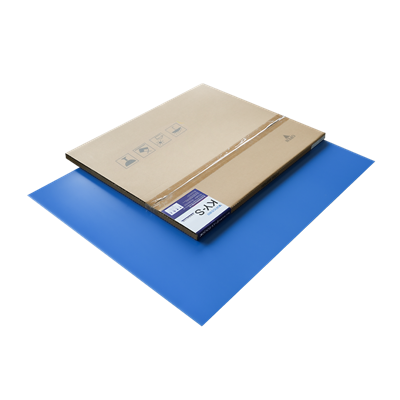
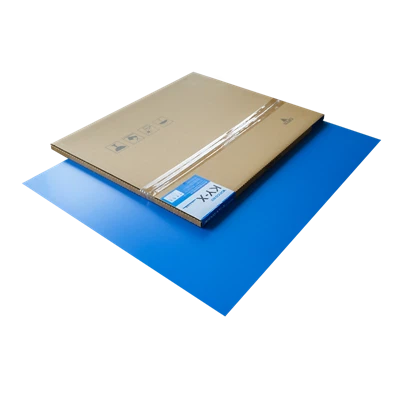
Advantages of Plate Developer
High Efficiency
The plate developer can quickly and efficiently develop the image, which saves time and improves work efficiency. This is especially important in some industries with high time requirements, such as the printing industry.
High Quality
The developed image has good quality, with clear resolution and accurate color reproduction. This ensures that the final output meets high quality standards.
Versatility
It can be used for a variety of plate materials, such as metal plates, plastic plates, and paper plates. This makes it suitable for different application scenarios and industries.
Cost-effective
Compared to other development methods, the plate developer usually has a relatively low cost. This helps to reduce production costs and improve economic benefits.
Easy To Use
The operation of the plate developer is usually relatively simple, which does not require highly skilled operators. This simplifies the process and reduces the difficulty of use.
Precise Control
It allows for precise control of the development process, including factors such as development time, temperature, and chemical concentration. This enables better control of the quality and results of the developed image.
Flexibility
The plate developer can be adjusted and customized according to specific needs. Different developers and development parameters can be selected to achieve the desired development effect.
Sustainability
Some modern plate developers are designed with environmental protection in mind, using less toxic chemicals and reducing waste generation. This contributes to sustainable development.
Chemical Developers
This type of developer uses chemical solutions to react with the plate to reveal the image. Chemical developers are commonly used in traditional photographic processes and in the printing industry. They usually consist of a combination of chemicals that interact with the light-sensitive layer on the plate to create a visible image.
Laser Developers
Laser developers use laser beams to expose the plate. This technology is often used in digital printing and plate-making processes. Laser developers offer high accuracy and resolution, allowing for fine detail and sharp images.
Inkjet Developers
Inkjet developers employ inkjet technology to print the image directly onto the plate. This type of developer is commonly used in digital printing applications. It provides flexibility in terms of image customization and allows for quick changes in designs.
Thermal Developers
Thermal developers utilize heat to develop the plate. They are often used in thermal printing processes, where the heat causes a chemical reaction on the plate to create the image. Thermal developers can offer high-speed printing and are suitable for certain specific applications.
Silver halide developers
Silver halide developers are commonly used in traditional photography. They involve the use of silver halide crystals that are sensitive to light and undergo a chemical reaction during the development process.
Dry developers
Dry developers do not require the use of liquids. Instead, they employ a dry process to develop the plate. Dry developers can be more convenient in certain situations, as they may eliminate the need for wet processing and associated equipment.
UV developers
UV (ultraviolet) developers utilize ultraviolet light to expose and develop the plate. This type of developer is often used in flexographic and offset printing processes.
Application of Plate Developer

Printing Industry
In the printing industry, plate developers are used to create printing plates. The developed plates are then used in printing processes such as lithography, flexography, and offset printing. Plate developers help transfer the image or text to be printed onto the printing substrate.
Photographic Industry
Photographers use plate developers in the traditional film photography process. The developer is used to reveal the latent image on the film, resulting in a visible photograph.
Graphic Design And Pre-press
In the graphic design and pre-press stages, plate developers are used to create proofs or prototypes. This allows designers and clients to review and approve the design before moving on to the final printing process.
Electronics Manufacturing
In some electronics manufacturing processes, plate developers may be used for creating circuit boards or other printed electronics. The developer can be used to transfer conductive inks or other materials onto the substrate.
Art And Craft
Artists and craftsmen may use plate developers in various creative projects. For example, they can use it for intaglio printing, etching, or creating relief prints.
Scientific Research
In certain scientific applications, plate developers may be employed in techniques such as autoradiography or gel electrophoresis. They help visualize and analyze samples in laboratory research.
Security And Identification
Plate developers can be utilized in the production of security documents, identification cards, or labels. The developed plates can incorporate features such as holograms or watermarks for authentication purposes.
Industrial Marking
In industrial settings, plate developers are sometimes used for marking or labeling products, components, or equipment. This can include applications such as barcode printing or serial number marking.

How to Maintain Plate Developer
Store Properly: Follow the manufacturer's instructions for storage. Keep the developer in a cool, dry place away from direct sunlight. Exposure to extreme temperatures or humidity can affect the quality and shelf life of the developer.
Clean The Developer Tank: Regularly clean the developer tank to remove any debris or residue that may accumulate. Use appropriate cleaning solutions or mild detergents. Rinse the tank thoroughly after cleaning.
Monitor aNd Replace Chemicals: Check the chemical levels in the developer and replace them as needed. Over time, the chemicals can degrade or become depleted, affecting the development process. Follow the manufacturer's recommendations for replacement intervals.
Filter The Developer: Some developers may require the use of a filter to remove impurities. Ensure the filter is in good condition and replace it when necessary to maintain the purity of the developer.
Keep The Developer Agitated: If the developer requires agitation, make sure the agitation mechanism is functioning properly. Consistent agitation helps to ensure uniform mixing of the chemicals and prevents settling.
Follow Safety Guidelines: Handle the developer with care, wearing appropriate protective equipment such as gloves and goggles. Follow the safety instructions provided by the manufacturer to avoid any potential hazards.
Regularly Check And Maintain Equipment: If the developer is used with specific equipment, such as a printing press or exposure unit, perform regular maintenance checks. Clean and lubricate the equipment as recommended to ensure proper functioning.
Test The Developer: Periodically perform test prints or quality checks to ensure the developer is producing the desired results. This can help identify any issues with the developer before it affects the final print.
Stay Organized: Keep the work area clean and organized. Avoid cross-contamination by separating different developers and tools. Store tools and supplies in a designated area.
Train And Educate Users: Make sure all users are familiar with the proper use and maintenance of the plate developer. Provide training on safety procedures and handling techniques.
How to Choose the Plate Developer Correctl
Compatibility With The Plate Type
Different plate developers are designed for specific types of plates, such as silver halide, lithographic, or digital plates. Ensure that the developer you choose is compatible with the type of plate you will be using.
Development Requirements
Consider the desired development characteristics, such as development speed, resolution, and contrast. Some developers may offer faster development times, while others may prioritize higher image quality.
Manufacturer Reputation
Research and choose a reputable manufacturer or supplier. A well-known brand often indicates a higher level of quality and reliability.
Chemical Formulation
Look for a developer with a formulation that meets your specific needs.Factors such as the concentration of chemicals, additives, and pH level can impact the development process.
Shelf Life And Storage
Check the shelf life of the developer and ensure it can be stored properly in your workspace. Longer shelf life and ease of storage are beneficial for cost and efficiency.
Cost And Availability
Consider the cost of the developer, both upfront and in terms of ongoing maintenance. Additionally, ensure the developer is readily available and accessible for when you need to replace it.
User Reviews And Recommendations
Read reviews and seek recommendations from other users or industry professionals. Their experiences can provide valuable insights into the performance and suitability of different developers.
Safety And Environmental Considerations
Opt for developers that comply with safety standards and are environmentally friendly. Look for low-volatile organic compound (VOC) formulations or those that have minimal impact on the environment.
Testing And Samples
If possible, request samples or conduct tests with different developers to evaluate their performance on your specific plates and printing setup. This allows you to make an informed decision based on firsthand experience.
Manufacturer Support And Technical Assistance
Choose a manufacturer that offers good customer support and technical assistance. They can provide guidance on proper usage, troubleshooting, and any questions you may have during the use of the developer.
Read And Understand The Instructions
Thoroughly review the manufacturer's instructions and safety guidelines for the specific plate developer you are using. Familiarize yourself with the recommended procedures, dosages, and any specific warnings.
Handle With Care
Use appropriate protective equipment, such as gloves and goggles, to avoid direct contact with the developer. Some developers may contain chemicals that can be harmful to your skin or eyes.
Work In A Well-ventilated Area
Developing chemicals can emits fumes, so it's essential to work in a well-ventilated space. Open windows or use exhaust fans to remove any potentially harmful vapors.
Maintain A Clean Working Environment
Keep your work area clean and free of debris. Avoid cross-contamination by separating used and unused developers, and clean up spills or splashes promptly.
Follow The Development Time Accurately
Adhere to the recommended development time specified by the manufacturer. Exceeding or under-developing the plate can affect the quality of the final result.
Monitor Chemical Levels
Regularly check and maintain the appropriate chemical levels in the developer. Ensure that the developer is properly mixed and that any required additives are added as directed.
Store The Developer Properly
Store the developer in a cool, dry place, away from direct sunlight. Follow the manufacturer's storage instructions to extend the shelf life of the developer.
Dispose Of Developer Properly
Follow local regulations and the manufacturer's guidelines for the proper disposal of used developer. Do not pour it down the drain or discard it in an uncontrolled manner.
Keep The Developer Away From Heat Sources
Excessive heat can damage the developer or cause it to degrade prematurely. Avoid exposing the developer to direct heat or high temperatures.
Be Cautious With Mixing Chemicals
If you need to mix chemicals, follow the correct procedures and ratios. Improper mixing can lead to unbalanced or ineffective developer.
Train And Educate Yourself
If you are new to using a plate developer, consider seeking training or instruction from experienced professionals. They can provide valuable insights and tips for safe and effective use.
Document And Track Usage
Keep records of your development processes, including dates, times, and any unusual observations. This can help you identify trends or issues and make necessary adjustments.
How to Install Plate Developer
Choose The Right Location
Select a clean, dry, and well-ventilated area to install the plate developer. Ensure there is sufficient space for the equipment and easy access to utilities such as electricity and water.
Read The Instructions
Thoroughly review the manufacturer's installation manual or guidelines provided with the plate developer. Familiarize yourself with the specific requirements and steps.
Assemble The Equipment
Follow the instructions to assemble the plate developer. This may involve attaching components, connecting hoses or pipes, and securing the device in place.
Connect Utilities
Connect the plate developer to the necessary utilities, such as a power source and a water supply. Make sure all connections are secure and leak-free.
Calibration and setup
Some plate developers may require calibration or specific setup procedures. Follow the manufacturer's instructions to ensure the equipment is properly calibrated and configured for optimal performance.
Test the equipment
Before using the plate developer for actual production, perform a test run to ensure it is functioning correctly. Check for any leaks, proper fluid flow, and normal operation.
Clean and maintain
After installation, clean the equipment thoroughly and establish a regular maintenance schedule. Follow the manufacturer's recommendations for cleaning and servicing the plate developer.
Train the operators
Ensure that all personnel who will be using the plate developer are trained on its proper operation, safety precautions, and maintenance.
Why Choose Us
High Quality
Our products are manufactured or executed to very high standards, using the finest materials and manufacturing processes.
Competitive Price
We offering a higher-quality product or service at an equivalent price. As a result we have a growing and loyal customer base.
Rich Experience
Our company has many years of production work experience. The concept of customer-oriented and win-win cooperation makes the company more mature and stronger.
Global Shipping
Our products support global shipping and the logistics system is complete, so our customers are all over the world.
After-sale Service
Professional and thoughtful after -sales team, let you worry about us after -sales Intimate service, strong after -sales team support.
Advanced Equipment
A machine, tool or instrument designed with advanced technology and functionality to perform highly specific tasks with greater precision, efficiency and reliability.
Our Factory
Jingfan Tech is one high-tech enterprise dedicating the production and development of printing plate sensitive adhesive. Be established in "scientific,rigorous,professional",Jingfan Tech have been providing high-tech thermal&uv plates coating for most of the Chinese printing plate manufacturers more than 20 years.

certificate


FAQ
As one of the most professional plate developer manufacturers and suppliers in China, we're featured by cheap products and good service. Please rest assured to wholesale custom made plate developer from our factory.
Aluminum CTCP Plate, Double Layer Thermal Plate, UV CTP Replenisher