


UV CTP
UV CTP is a process that replaces the traditional method of creating printing plates. In the traditional process, a film or digital file is used to expose the plate, which then goes through a series of chemical treatments to create the final printing plate. With UV CTP, however, the exposed plate is directly imaged using ultraviolet (UV) light.The UV CTP system typically consists of a computer, a plate setter, and the UV-sensitive plates. The digital file containing the print job is transferred to the plate setter, which uses UV light to expose the plate. This exposure process creates the image on the plate, which is then ready for printing.
Description
UV CTP is a process that replaces the traditional method of creating printing plates. In the traditional process, a film or digital file is used to expose the plate, which then goes through a series of chemical treatments to create the final printing plate. With UV CTP, however, the exposed plate is directly imaged using ultraviolet (UV) light.The UV CTP system typically consists of a computer, a plate setter, and the UV-sensitive plates. The digital file containing the print job is transferred to the plate setter, which uses UV light to expose the plate. This exposure process creates the image on the plate, which is then ready for printing.
Advantages of UV CTP
Improve Productivity And Efficiency
UV CTP eliminates the need for film output and chemical processing, saving time and reducing the overall printing process. This means faster turnaround times and higher productivity, allowing the printer to process more jobs in less time.
Quality Improvement
UV CTP's direct imaging process enables higher resolution and finer detail in printed output. Eliminating the need for intermediate steps helps reduce the loss of image quality, resulting in clearer, more vivid prints.
Greater Flexibility
UV CTP offers greater flexibility when changing print jobs. Since there are no physical films or chemicals involved, last-minute edits or adjustments can be made easier and faster. This is particularly advantageous in applications such as variable data printing, where each print may have unique content.
Save Costs
While the initial investment in a UV CTP system may be higher than traditional platemaking methods, it can lead to long-term cost savings. Eliminating films and chemicals reduces material costs, and faster turnaround times and higher productivity increase overall cost efficiency.
Environmental Friendly
UV CTP is a more sustainable printing method compared to traditional processes. It reduces the consumption of chemicals and films, minimizing environmental impact. Additionally, less waste is produced since no membranes or chemicals are required to be disposed of.
Compatible With Digital Workflows
UV CTP is fully compatible with digital workflows and integrates seamlessly with other digital printing technologies. This enables printers to streamline processes and leverage the digital ecosystem.
Reduce Setup Time
Eliminating film and chemical processing means less equipment to install and maintain. This reduces setup time, which is especially beneficial for low-volume or on-demand print jobs.
Consistency And Reproducibility
The digital nature of UV CTP ensures consistent images across multiple plates, resulting in more uniform prints. This is especially important for high-quality print jobs where consistency is critical.
Longer Plate Life
UV CTP plates generally have a longer service life than traditional printing plates. This means fewer plate changes during the printing process, reducing the downtime and costs associated with changing plates.
Proofread And Collaborate Remotely
By using digital files in the UV CTP process, proofs can be more easily shared and reviewed remotely with clients or collaborators. This saves time and improves communication, especially when working in distributed teams or with remote clients.




Why Choose Us
High Quality
Our products are manufactured or executed to very high standards, using the finest materials and manufacturing processes.
Competitive Price
We offering a higher-quality product or service at an equivalent price. As a result we have a growing and loyal customer base.
Rich Experience
Our company has many years of production work experience. The concept of customer-oriented and win-win cooperation makes the company more mature and stronger.
Global Shipping
Our products support global shipping and the logistics system is complete, so our customers are all over the world.
After-sale Service
Professional and thoughtful after -sales team, let you worry about us after -sales Intimate service, strong after -sales team support.
Advanced Equipment
A machine, tool or instrument designed with advanced technology and functionality to perform highly specific tasks with greater precision, efficiency and reliability.
Thermal UV CTP
This type of UV CTP uses a thermal head to heat the UV-sensitive coating on the printing plate. The heat creates a chemical reaction that exposes the plate. Thermal UV CTP systems are known for their simplicity and relatively low cost.
Laser UV CTP
Laser-based UV CTP uses a laser beam to expose a UV-sensitive coating. This type offers high resolution and faster exposure times, resulting in precise and high-quality imaging. Laser UV CTP is often the first choice for applications requiring high print quality.
Fiber optic UV CTP
Fiber optic UV CTP utilizes fiber optic cables to deliver UV light to the printing plate. This setup provides flexibility in plate positioning and allows the use of larger format plates. Fiber optic systems are more scalable and suitable for large printing presses.
Online UV CTP
Inline UV CTP is integrated directly into the press, eliminating the need for separate platemaking equipment. The plates are exposed and developed within the press, reducing workflow steps and potential sources of error.
Multi-channel UV CTP
Some UV CTP systems support multiple channels, allowing for simultaneous exposure of different colors or images on a single plate. This increases productivity and reduces overall exposure time.
Silver Halide UV CTP
Silver Halide UV CTP combines the benefits of silver halide technology with UV exposure. It offers high sensitivity and resolution for demanding print jobs.
Movable type printing UV CTP
This type utilizes a matrix of tiny raised elements, similar to traditional movable type printing, to transfer an image to a printing plate. It provides durability and long-lasting printing results.
Application of UV CTP


Commercial Printing
UV CTP is widely used in commercial printing, including applications such as brochures, catalogs, magazines and advertising materials. UV CTP's high-quality imaging capabilities ensure clear, vibrant prints, making it ideal for producing professional-grade printed materials.
Packaging And Printing
In the packaging industry, UV CTP plays a vital role. It is used to print on boxes, labels and sleeves, ensuring accurate color reproduction and fine detail. UV CTP produces eye-catching, high-quality packaging that captures consumers' attention.
Book Printing
Publishers rely on UV CTP to produce books, whether large or small editions, or print on demand. The technology enables efficient plate making, fast turnaround times and cost-effective book production.
Graphic Design And Pre-press
Graphic designers and prepress professionals benefit from UV CTP because it streamlines workflow and provides greater control over the printing process. They can image plates directly, making it easier to preview and verify designs before printing.
High-end Printing Applications
UV CTP is suitable for high-end printing applications such as fine art prints, limited edition publications and photography books. In these situations, the ability to achieve precise imaging and color accuracy is critical.
Variable Data Printing (VDP)
With UV CTP, variable data printing becomes even more efficient. It can customize each print piece with unique information such as a personalized name, address or code, making it suitable for applications such as direct mail, loyalty programs and personalized marketing materials.
In-house Printing Facilities
Many companies have in-house printing capabilities and UV CTP allows them to streamline their printing processes. It allows for better control over the quality and timing of printed materials.
Fast Printing And Digital Printers
UV CTP's short turnaround time makes it ideal for fast print shops and digital printers handling small to medium-sized print jobs with tight deadlines.
Label And Tag Printing
Printing of labels and tags often requires high-quality imaging and precise registration. UV CTP ensures consistent and accurate printing on a variety of substrates.
Logo And Display Printing
UV CTP can be used to create signs, banners and displays. It allows for large format printing and reproduction of complex graphics and colors.
Components of UV CTP
Ctp Scanner
This is the component that reads the original artwork or digital file and digitizes it. It converts the image data into a format suitable for imaging the plate.
Laser Head Or Light Source
UV CTP uses a laser or other light source to expose the UV-sensitive coating on the printing plate. The light source emits ultraviolet light, which activates the coating and forms an image on the printing plate.
Optical System
The optical system consists of lenses and mirrors that focus and guide the light from the laser head onto the board. Ensure accurate and even exposure of the layout.
Ctp Plate
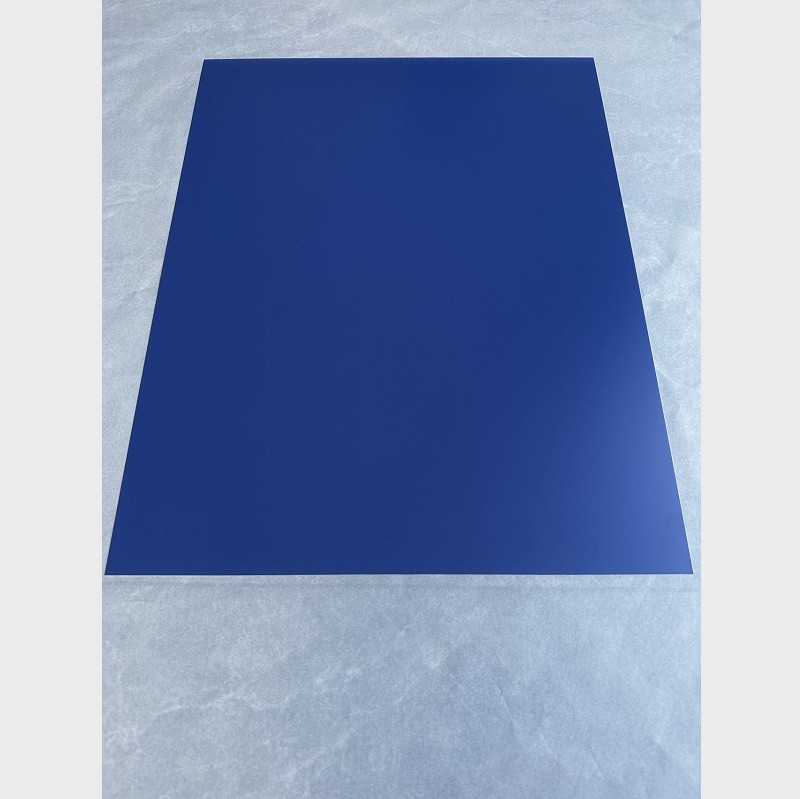
UV-sensitive plates are key components for image transfer. It contains a coating that reacts to ultraviolet light, forming a latent image.
Controller And Software
The controller manages the entire CTP system, including coordinating the imaging process, monitoring parameters, and communicating with the scanner and light source. The software provides the user interface and controls for operating the CTP system as well as image processing and plate calibration.
Conveyor System
The transfer system is responsible for moving the plates into and out of the imaging area. It may include conveyor belts or robotic arms to handle sheets efficiently.
Calibration And Calibration Tools
To ensure accurate imaging, use calibration tools and procedures to align the various components of the UV CTP system and optimize imaging quality.
Service Module
These may include components for loading and unloading plates, cleaning plate surfaces, and maintaining the proper environment within the CTP device.
Interfaces And Connections
UV CTP systems often have interfaces to other print workflow systems, such as prepress software, RIPs (Raster Image Processors), and printing presses.
Chassis And Shell
The chassis provides a stable frame to house all components and protect them from external factors. It may also include dust control and temperature regulation features.
Material of UV CTP
TP Plate:UV-sensitive plates are key components of UV CTP. These panels usually consist of a base material (which can be aluminum or other suitable material) and a thin coating that is sensitive to UV radiation. The coating contains light-sensitive chemicals that react when exposed to ultraviolet light, forming a latent image.
UV Light Source:A high-intensity UV light source is used to expose the UV-sensitive coating on the printing plate. It can be a laser, LED (Light Emitting Diode) or other UV emitting device. The choice of light source depends on factors such as power output, wavelength and beam quality.
Optical Element:Optical lenses and mirrors are used to focus and direct the UV light onto the plate surface. These components play a vital role in ensuring uniform exposure and image resolution.
Resin Or Ink:In some UV CTP systems, resins or inks are used in conjunction with UV light. Resin or ink can be applied to the plate before or after the exposure process to enhance certain properties or create specific effects.
Cleaning Solution:Use cleaning solutions to keep plates and imaging areas clean. These solutions help remove any contaminants or residues that may affect the quality of the exposed plates.
Filters And Mirrors:Filters and mirrors are sometimes used to control the wavelength and intensity of UV light, as well as to direct and shape the beam.
How to Maintain UV CTP
Regular Cleaning
It is very important to keep the CTP scanner, laser head, optical components and layout clean. Use appropriate cleaning solutions and tools to remove dust, dirt and debris. Regular cleaning helps maintain image quality and extend the life of your equipment.
Inspection And Calibration
Regularly inspect the components of your UV CTP system for any signs of wear or damage. Calibration of scanners, laser heads, and other components is critical to ensuring accurate imaging and registration. Please follow the manufacturer's calibration procedures and frequency guidelines.
Handling And Storage Of Plates
Handle UV-sensitive printing plates carefully to avoid scratches, fingerprints, or other contaminants. Store the plate in a clean, dry, dark environment. Use appropriate plate racks and brackets to prevent damage during transportation and storage.
Lubrication And Maintenance
Inspect and lubricate moving parts of the CTP system such as conveyors, rollers, gears, etc. Follow the manufacturer's recommendations regarding lubrication intervals and type of lubricant used.
Filter And Bulb Replacement
Replace the air filter and UV lamp according to the manufacturer's guidelines. Dirty filters can affect the air quality within a CTP unit, while worn lamps can cause exposures to suffer from reduced intensity.
Software Updates And Patches
Keep your CTP software up to date by applying the latest updates and patches released by the manufacturer. These updates often include bug fixes, performance enhancements, and new features.
Mechanical And Electrical Inspection
Check electrical connections, cables, and wires for signs of damage or looseness. Check mechanical components such as belts, bearings and screws for proper tension and tightness. Replace any damaged or worn parts as necessary.
User Training
Provide training to operators and technicians to ensure they understand the proper operating and maintenance procedures for UV CTP systems. This helps minimize the risk of human error and ensures efficient use of equipment.
Preventive Maintenance
Develop a preventive maintenance plan based on the manufacturer's recommendations and the operating status of the CTP system. This includes regular inspections, cleaning, lubrication and parts replacement.
Documentation
Accurately record maintenance activities, including dates, procedures performed, and any problems encountered. This document helps track the device's history and serves as a reference for future troubleshooting.
Image Preparation
The digital files containing the print jobs are prepared during the prepress workflow. This may include tasks such as image editing, color management, and imposition.
CTP Scanner
The digital file is transferred to a CTP scanner, which reads the image and digitizes it. The scanner converts the image data into a format suitable for exposure on UV-sensitive plates.
Laser Exposure
Lasers or other light sources emit ultraviolet radiation. The light is focused and directed onto the UV-sensitive coating of the printing plate. Control the intensity and duration of the exposure to create the desired image on the plate.
UV Sensitive Coating
The board contains a special coating that is sensitive to UV radiation. When exposed to UV light, the coating undergoes a chemical reaction that forms a latent image.
Develop
After exposure, the plate is passed through a developer solution. The developer removes the unexposed areas of the coating, leaving a latent image on the plate.
Repair Or Post-processing
Depending on the specific CTP system and plate type, additional steps such as fixing, cleaning, or drying may be required to complete plate processing.
Print
The processed plate is now ready for installation on the printing press. Print jobs can be printed directly from the plate without film or other intermediate steps. The main advantage of UV CTP is the direct imaging process, which eliminates the need for traditional film separations and chemical treatments. This results in increased productivity, better quality, and lower costs in your print workflow.
How to Choose the UV CTP Correctly
Compatible With Your Workflow
Make sure the UV CTP system is compatible with your existing prepress workflow and printing equipment. Consider software compatibility, supported file formats, and integration capabilities with other components of your print setup.
Printing Quality Requirements
Evaluate UV CTP's resolution, dot gain control, and color reproduction capabilities. Consider your specific print job and the quality standards you need to meet.
Board Compatibility
Check whether the UV CTP is compatible with the type of plate you intend to use. Different systems may have limitations or specific requirements for plate size, thickness, or sensitivity.
Throughput And Productivity
Consider the throughput and speed requirements of your business. Look for a UV CTP system that can handle the expected workload efficiently and has features like high-speed scanning or multi-plate loading options.
Cost and ROI (Return On Investment)
Evaluate the initial cost of a UV CTP system, as well as the associated costs of plates, chemicals, and maintenance. Consider potential return on investment by analyzing factors such as increased productivity, cost savings, and improved print quality.
Manufacturer Reputation And Support
Research the manufacturer's reputation and track record. Look for manufacturers that offer reliable support, including training, technical assistance and a responsive service network.
Technology And Characteristics
Evaluate the features and advancements offered by UV CTP systems, such as automatic calibration, job management tools, and optional plug-ins. Consider features that will increase productivity and efficiency.
Field Testing And Reference
If possible, request a demo or test of the UV CTP system before making a decision. Additionally, seek references from other users to gain insight into their experiences with the specific model you are considering.
Service And Warrantyy
Ask about the warranty coverage and service agreement provided by the manufacturer. A comprehensive warranty and reliable service support are essential for uninterrupted operation.
Precautions for Using an UV CTP
Safety Training
Ensure that all operators and personnel involved in the UV CTP process receive appropriate safety training. Familiarize them with the potential dangers of UV radiation and the proper handling of chemicals used in the system.
UV Irradiation
UV radiation can be harmful to skin and eyes. Use appropriate personal protective equipment, such as UV protection goggles and gloves, to minimize exposure. Also, make sure the work area is properly screened to prevent accidental exposure.
Chemical Handling
Handle chemicals used during development with care. Follow manufacturer's storage, mixing and disposal instructions. Use appropriate protective equipment when handling chemicals to avoid skin contact or inhalation.
Plate Processing
Handle UV-sensitive plates with clean, dry hands to avoid contamination. Avoid touching the surface of the board with sharp objects or applying excessive force, which may damage the coating.
Cleaning And Maintenance
Clean the CTP scanner, laser head, and other components regularly according to the manufacturer's guidelines. Use approved cleaning solutions and tools to prevent equipment damage or degradation.
Power Supply
Ensure stable and reliable power supply of UV CTP system. Power fluctuations can affect the performance and service life of your equipment.
Calibration And Calibration Frequency
Follow the manufacturer's CTP system calibration recommendations. Calibration ensures accurate imaging and registration. Establish a schedule for regular calibration checks.
Software Update
Keep your CTP software up to date by applying the latest updates and patches from the manufacturer. These updates typically include improvements, bug fixes, and new features.
Plate Storage
Store UV-sensitive panels in a cool, dry, dark place. Excessive exposure to light can cause the plate to degrade and affect its performance.
Document
Keep detailed documentation of maintenance activities, calibration procedures, and any problems or errors encountered. This document can be used for troubleshooting and reference.
Training And Proficiency
Operators should be well trained in the operation and troubleshooting of UV CTP systems. Continuously update their skills and knowledge to maintain proficiency in the technology.
Emergency Procedures
Establish emergency procedures in the event of a spill, equipment failure, or other unexpected situation. Make sure everyone is familiar with emergency response procedures.

How to Install UV CTP
Site Preparation
Choose a suitable location for your UV CTP equipment. Make sure the machine has enough space, an electrical outlet, and a stable surface.
Power And Connections
Ensure the installation area has the necessary power outlets and network connections to support the UV CTP system.
Unpacking And Inspection
Carefully unpack the UV CTP and inspect it for any damage. Check that all components, accessories and documentation are included.
Hardware Installation
Install the UV CTP hardware according to the manufacturer's instructions. This may include installing the scanner, connecting cables, and assembling any optional accessories.
Software Installation
Install the included software on a dedicated computer or server. Follow the installation wizard and make sure the software has correctly configured UV CTP.
Calibration and Calibration Tools
According to the manufacturer's guidelines, perform necessary calibration procedures to ensure accurate imaging. Calibration tools and software are available for this purpose.
Connect The Printer
Connect UV CTP to printing press or other downstream equipment. This connection may involve cables or connectors specific to your printing setup.
Testing and Verification
Run a test job to verify that UV CTP is functioning properly. Check that imaging, registration and output quality are correct.
Training
Consider scheduling training sessions for operators to familiarize them with the software and operation of the UV CTP system. This will ensure efficient and optimal use of the equipment.
Documentation
Keep installation documents, manuals, and software licenses in a safe place for future reference.
What Are the Trends and Development Directions of UV CTP in the Market
Higher Resolution And Quality
The printing industry has a continuing demand for higher resolutions and better print quality. UV CTP technology is expected to continue to evolve to meet these needs, resulting in finer dot reproduction and more accurate color reproduction.
Automation And Integration
The trend towards automation and process integration is increasing. UV CTP systems may include features such as automated plate loading, job scheduling, and integration with other prepress and workflow systems.
Digital Workflow Enhancement
Digital workflows become more streamlined and efficient. UV CTP will play a vital role in enabling seamless data transfer, version control and remote proofing.
Environmental Sustainability
The printing industry is increasingly focusing on environmental sustainability. UV CTP technology can achieve this by reducing chemical waste, minimizing energy consumption and using environmentally friendly plates and inks.
Cost-effectiveness
Cost is always a consideration in the printing industry. Manufacturers may focus on developing more cost-effective UV CTP solutions, including more durable plates, lower running costs and higher productivity.
Emerging Markets
As the printing market expands into emerging regions, the demand for UV CTP technology is expected to grow. Manufacturers can offer tailored solutions and pricing models for these markets.
Professional Application
UV CTP can be used in a variety of professional printing applications such as packaging, labels and commercial printing. Developing customized solutions for these specific markets is a potential area of growth.
Cloud-based Solutions
The use of cloud-based storage, collaboration and remote access services is increasing. UV CTP systems can be integrated with cloud platforms to provide greater flexibility and accessibility.
Additive Manufacturing Integration
The intersection between 3D printing and traditional printing is growing. UV CTP can play a role in integrating these technologies into hybrid printing applications.
Plate Innovation
Continued research and development of plate materials will improve the sensitivity, durability and imaging capabilities of UV-sensitive plates.
Our Factory
Jingfan Tech is one high-tech enterprise dedicating the production and development of printing plate sensitive adhesive. Be established in "scientific,rigorous,professional",Jingfan Tech have been providing high-tech thermal&uv plates coating for most of the Chinese printing plate manufacturers more than 20 years.

certificate


FAQ
Hot Tags: uv ctp, China uv ctp manufacturers, suppliers, factory, CTP Offset Printing Plates, UV CTP, Thermal Negative Plate, Negative Plate, UV Ink Resist CTCP Plate, Double Layer Thermal Plate
Send Inquiry
You Might Also Like


